The Science of the Surface
Creating excellent ice involves much more than simply flooding a cold concrete slab with water. Professional ice surface care is a continuous process of managing ice thickness, leveling, temperature profiling, and water quality. A well-maintained ice sheet is dense, clear, and provides optimal glide and edge-hold for skaters.
Ice quality is highly dependent on the water used. Many professional facilities utilize reverse osmosis (RO) systems or de-ionized water treatments to remove minerals and dissolved gasses. Tap water contains microscopic impurities and air bubbles that cause ice to become cloudy, brittle, and prone to severe gouging. By using treated water, the freeze is denser, resulting in faster and more durable ice.
Mastering the Ice Resurfacer
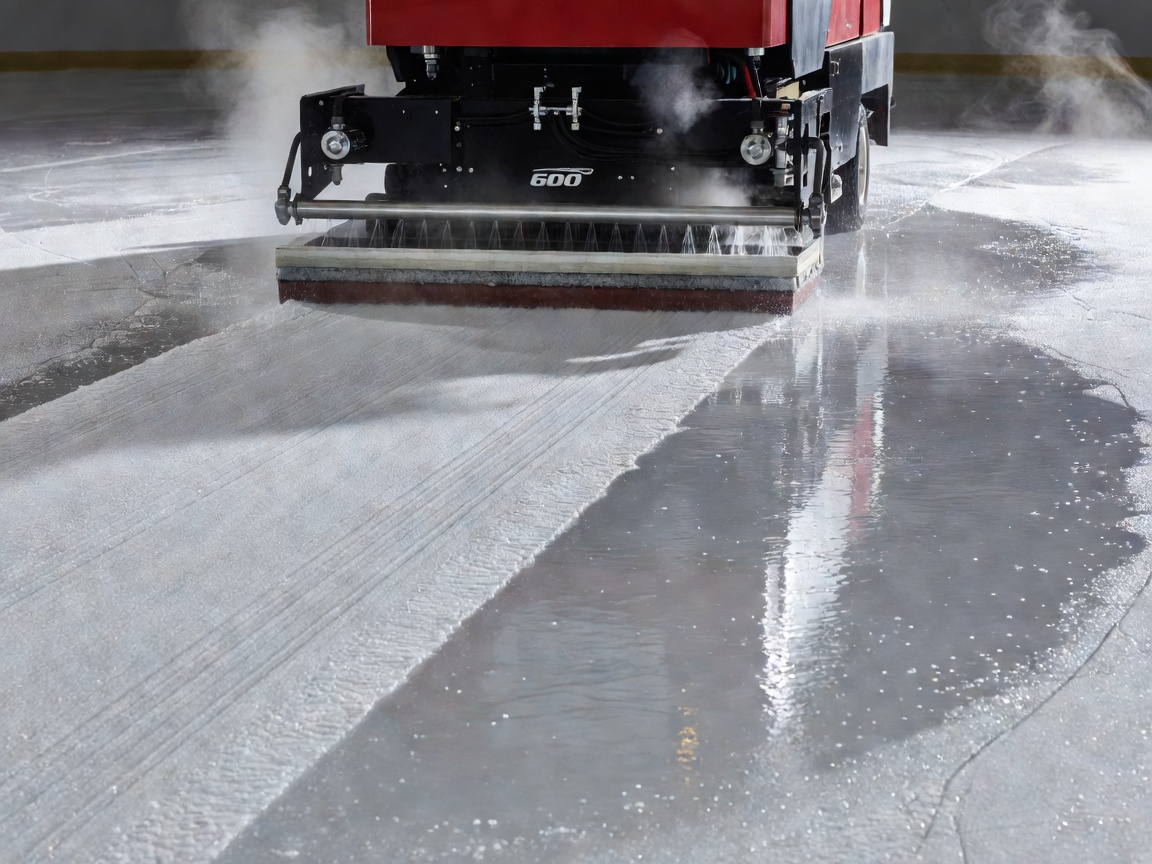
The ice resurfacer (often colloquially known as a Zamboni, though several brands exist) is the primary tool for surface care. Operating this machine correctly is an acquired skill that blends mechanical knowledge with an intuitive feel for the ice.
A proper resurfacing cut involves three distinct actions: scraping, washing, and flooding. First, the sharp steel blade shaves off the top layer of damaged, rutted ice. Next, wash water flushes debris out of the remaining deep gouges. Finally, a controlled application of hot flood water (often between 140°F and 160°F) is laid down. Hot water melts the micro-shavings left behind and bonds perfectly with the cold ice underneath, freezing into a smooth, glass-like finish.
One of the most difficult skills in surface care is maintaining a consistent ice thickness. Ideally, the ice should be kept around 1.25 to 1.5 inches thick. If the ice gets too thick, the refrigeration plant has to work exponentially harder to pull heat through the ice, wasting massive amounts of energy and resulting in a soft, slow surface. If it gets too thin, skaters risk cutting down to the painted logos or the concrete slab. Operators must carefully balance how much ice they shave off versus how much water they lay down during every flood.
Managing High-Traffic Areas
Arena usage patterns dictate specific maintenance strategies. The goal creases, the areas around the player benches, and the center-ice faceoff circle experience significantly more wear than the perimeter. Goal creases, in particular, are notorious for turning into deep "bowls" as goalies continuously scrape the same spot.
Facility professionals manage these high-traffic areas through localized maintenance. This often involves hand-shaving high spots along the boards and "slushing" deep ruts in the creases—packing them with wet snow and freezing them flat before a full resurfacing run. In recreational arenas with heavy public skating sessions, the perimeter near the boards tends to build up excess ice (a phenomenon known as "dishing"), requiring aggressive edge-planing to keep the entire sheet perfectly level.
What to Know: Temperature Dynamics
Ice temperature needs to be adjusted based on the activity. Figure skaters prefer "soft" ice (around 24°F to 26°F) to dig in for deep edges and jumps. Hockey players require "hard, fast" ice (around 18°F to 20°F) to reduce friction for the puck and skates. Understanding how to "temper" the ice by communicating with the refrigeration plant is a key facility skill.
Routine Maintenance Checklist
- Check and log the depth of the ice across multiple zones (using a drill depth gauge).
- Ensure the resurfacer blade is sharp, level, and free of microscopic chips.
- Verify flood water temperature before each scheduled cut.
- Perform perimeter edging to prevent ice build-up along the boards.
- Inspect the goal creases for deep ruts and repair with slush as needed.
- Monitor the facility dew point to prevent frost buildup on the ice surface.