Observation vs. Formal Inspection
In arena management, it is crucial to understand the difference between routine observation and formal technical inspection. Routine observation happens every day. It involves staff keeping an eye out for visible wear, trash, blown light bulbs, or odd noises during their normal duties. A formal technical inspection, however, is a scheduled, documented process evaluating the integrity of the facility's systems against established operational baselines.
Formal inspections remove the guesswork. They ensure that systems slowly degrading over time—such as the gradual loosening of rink board anchors or the slow accumulation of dust in ventilation ducts—are caught and cataloged before they cause a failure.
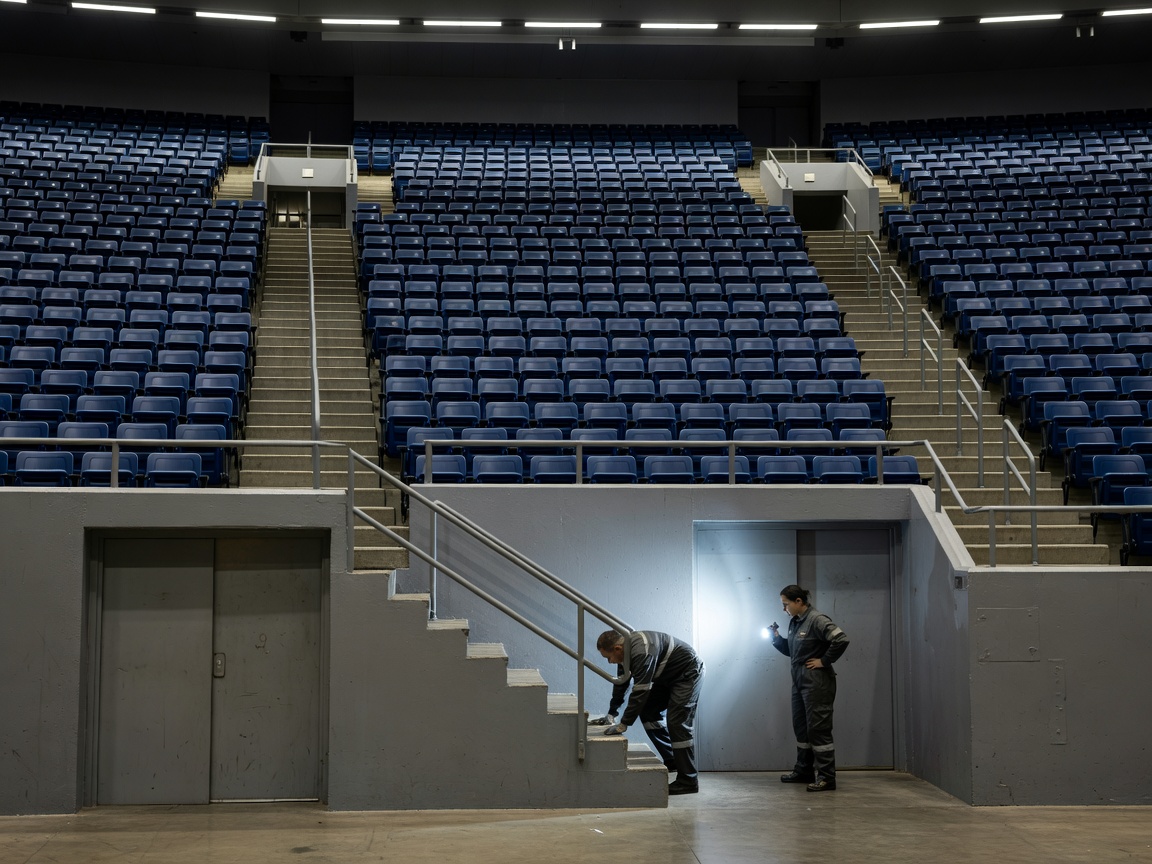
Evaluating Arena Systems
A comprehensive facility inspection covers multiple interlocking systems. The lighting system, for instance, requires careful auditing. Modern arenas increasingly use high-efficiency LED arrays, which require less maintenance than older metal-halide fixtures but still demand checks for driver failure or shifting alignment that could create dangerous shadows on the ice.
Ventilation and plumbing are equally critical. The high-moisture environment of an ice rink accelerates corrosion. Inspecting the ductwork above the ice for rust or condensation buildup prevents contaminated water from dripping onto the skating surface. In the locker rooms, plumbing fixtures must be regularly audited. A slow leak in a shower room can saturate the surrounding masonry, leading to costly structural damage over time.
Rink Boards, Access, and Safety
The physical barrier between the players and the spectators requires the most rigorous physical inspection. Dasher boards and acrylic or tempered glass shielding must be physically manipulated during a formal check. Inspectors look for cracked kickplates, loose cap rails, and stanchions that have lost their rigidity. Access areas, such as the large doors used by the ice resurfacer, must be tested to ensure they open smoothly and latch securely. A jammed resurfacer door can completely derail a strict tournament schedule.
Emergency equipment and egress routes must also be audited. Fire extinguishers, ammonia alarms, emergency lighting, and exit hardware must be verified operational. Proper maintenance documentation of these checks is not just best practice; it is essential for historical record-keeping and demonstrating operational diligence.
What to Know: Documentation
An inspection is only as good as its documentation. Keeping thorough records of what was checked, when it was checked, and what deficiencies were found allows management to track the lifespan of assets and plan budgets accordingly. (Note: Always consult local authorities regarding specific municipal fire and safety codes, as requirements vary widely by jurisdiction.)
Standard Inspection Checklist
- Test functionality of all primary and emergency arena lighting.
- Physically inspect all rink board latches, hinges, and kickplates for security.
- Examine overhead ventilation ducts for signs of condensation or corrosion.
- Verify that all egress paths and emergency doors open freely and are unobstructed.
- Inspect locker room plumbing for continuous leaks or drainage issues.
- Confirm calibration and operational status of mechanical room hazardous gas sensors.